What does counselling training involve?
1. Academic / coursework
What it involves:- Studying theories of human behaviour
- Learning counselling techniques and ethics
- Modules on specific areas depending on your course: trauma, addiction, grief, family dynamics, diversity, etc.
- Assignments: essays, case studies, reflections
Lots of reading, note-taking, and writing reflections. It’s more like being a university student than a ‘practical helper’. You’ll be analysing behaviour and practice scenarios, not just giving advice.
2. Skills practice
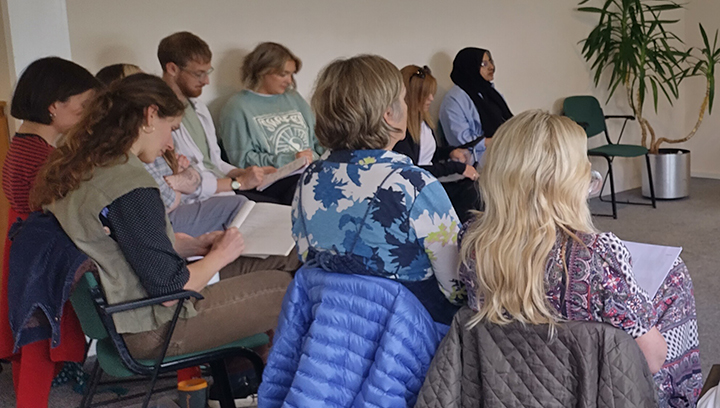
What it involves:- Role-playing sessions in class with peers
- Practising active listening, paraphrasing, empathy, and questioning
- Receiving detailed feedback from trainers
Can feel awkward at first as there will be lots of ‘pretend counselling’ but it’s designed to get you comfortable holding someone else’s emotions safely. Expect to feel exposed, judged, and challenged in these exercises.
3. Supervised practice / placements
What it involves:
- Working with real clients under supervision (usually 100–400 hours, depending on the training course that you are on)
- Reflecting on your sessions with a supervisor
- Learning from your colleagues and supervisor
Exciting but intense. You’ll have real emotional responsibility, but you’re not alone. Supervision is there to keep you safe. Often involves writing session notes and discussing challenges afterward.
4. Personal / reflective work
What it involves:
- Reflecting on your own emotional reactions, triggers, and blind spots
- Possibly engaging in therapy yourself (many counselling training courses require this)
- Journaling or reflective essays
Emotionally demanding. You’ll learn a lot about yourself. Some of this may be fun and some may be deeply uncomfortable. This is critical to avoiding burnout.
5. Assessments and exams
What it involves:
- Written assignments and case studies
- Readiness to Practice assessment: counselling someone while being observed
- Ethical scenarios: demonstrating an understanding of boundaries, confidentiality, and professional conduct
Pressure moments, but not constant. Usually a few big assessments per semester.
Typical weekly rhythm in training
A typical week may include lectures, skills practice/role play, a placement/supervised sessions, and reflection/journalling/assignments. You’re constantly cycling between theory, practice and reflection, which is exactly how you learn to hold yourself while holding others’ emotions.
The process will bring with it emotional weight. Even practising with classmates can stir up feelings you weren’t ready for. You will have to prepare for lots of constructive criticism which while being about personal growth, can feel deeply personal at times.